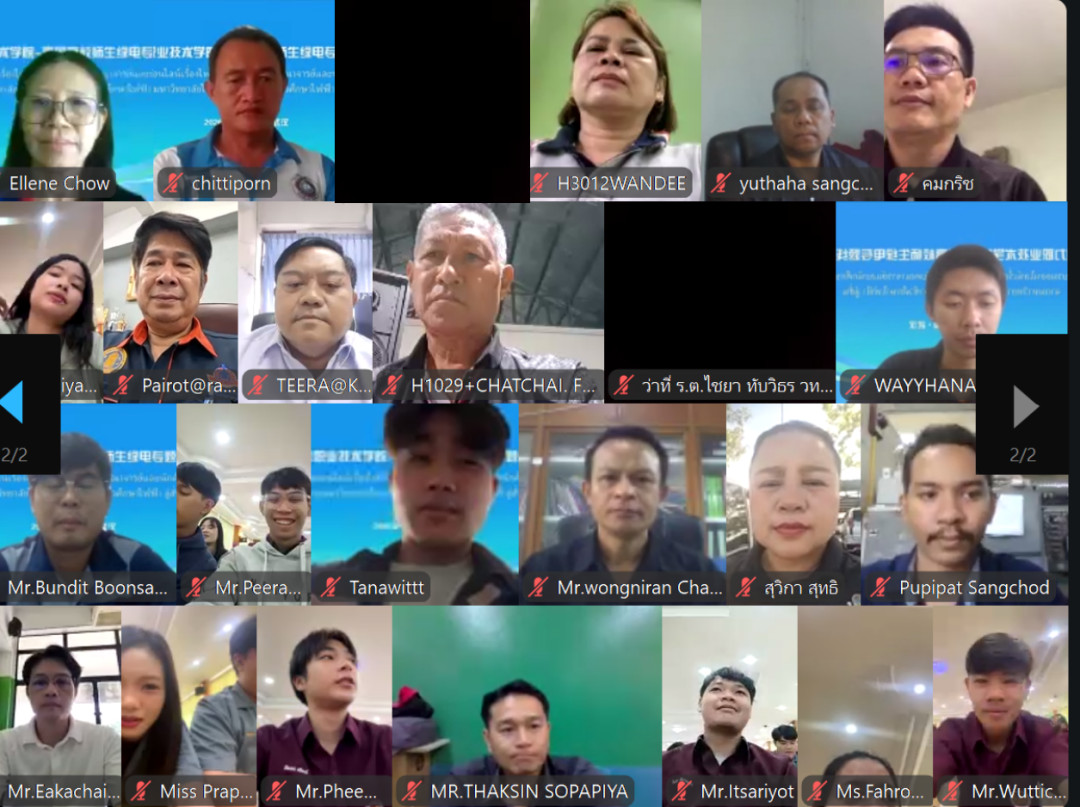




From July 23 to 24, 2026, Sino-Thai vocational education exchanges expanded to a new level. Chinese vocational colleges specializing in power engineering launched online specialized training courses on smart grids and photovoltaic power generation for teachers and students from multiple Thai institutions. This training adopted a cloud-based remote teaching model, precisely targeting the talent shortage in Thailand’s new energy industry, and exporting advanced Chinese power engineering teaching systems and practical techniques. It attracted numerous Thai teachers and students majoring in power-related fields to participate online training simultaneously. Leaders from both Chinese and Thai institutions jointly attended the online opening ceremony.
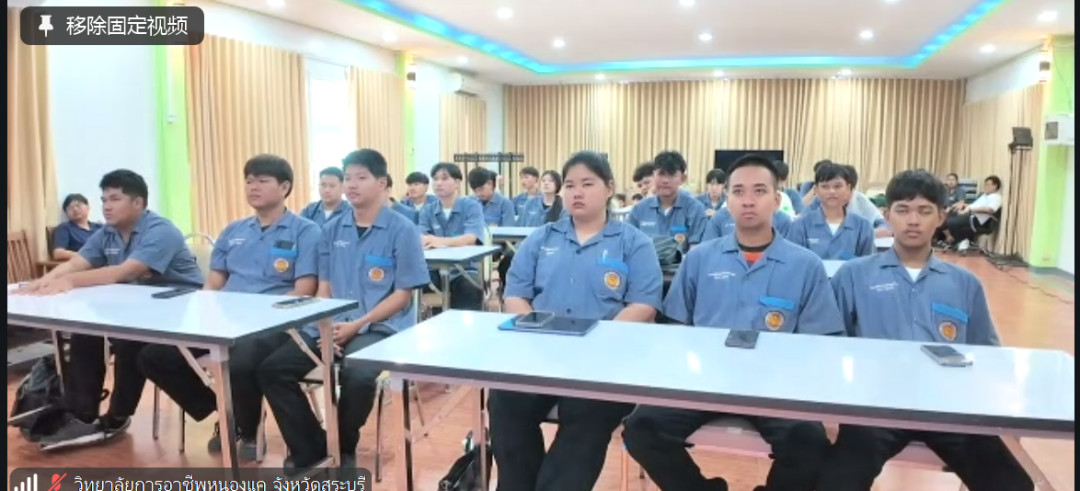
Representatives from Chinese universities delivered the opening remarks, sharing their mature experiences in integrated theory and practice training and the cultivation of power professionals, based on the current development status of China’s new energy power industry. They also expressed their vision of continuously deepening cooperation between China and Thailand in the field of energy education and jointly building and sharing teaching resources. Representatives from Thai universities then spoke, noting that Thailand’s photovoltaic and smart grid industries are rapidly developing, and that the practical skills of local professional and technical teachers and students urgently need improvement. They emphasized the highly targeted nature of this training course and encouraged participants to diligently absorb cutting-edge technologies to enrich their classroom teaching and professional studies.
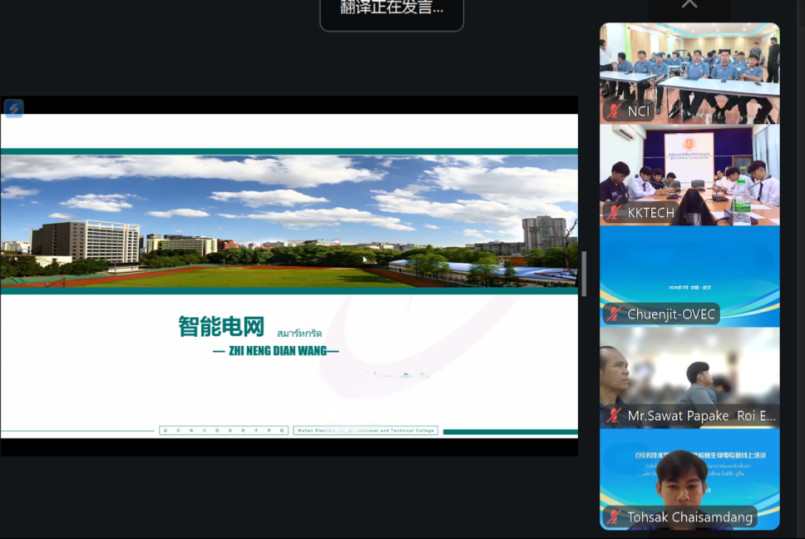
The morning session will cover the basic theories and overall system architecture of smart grids, with 10-minute break for students to clarify any questions. The afternoon session will be divided into two teaching units, providing in-depth analysis of practical content such as digital power grid operation and maintenance and the implementation of new power systems, fully covering the core knowledge points of the entire smart power network chain.
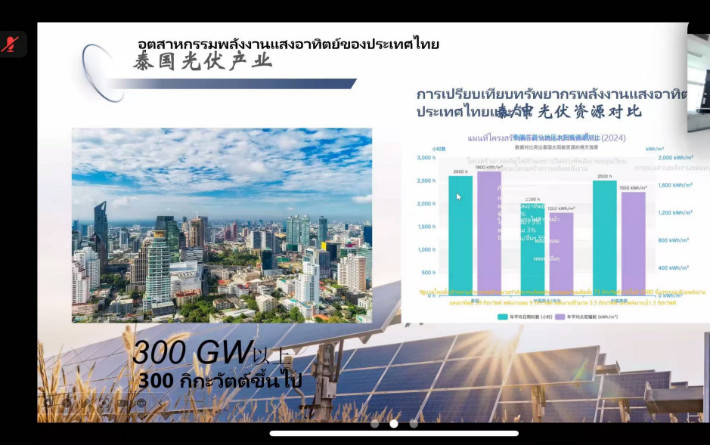
The entire day will be dedicated to tiered instruction on the photovoltaic industry, breaking down the basic principles of photovoltaic power generation, equipment assembly and debugging, photovoltaic power plant operation and maintenance management, and local project implementation into four modules. The content is closely aligned with the actual scenarios of new energy project construction in Thailand.
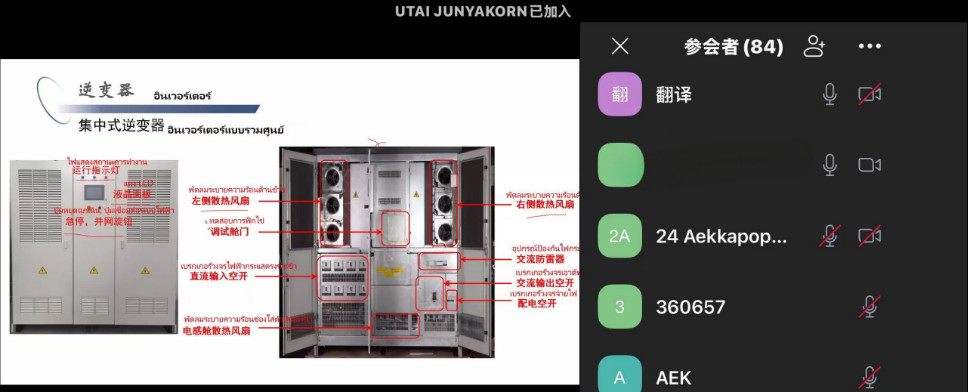
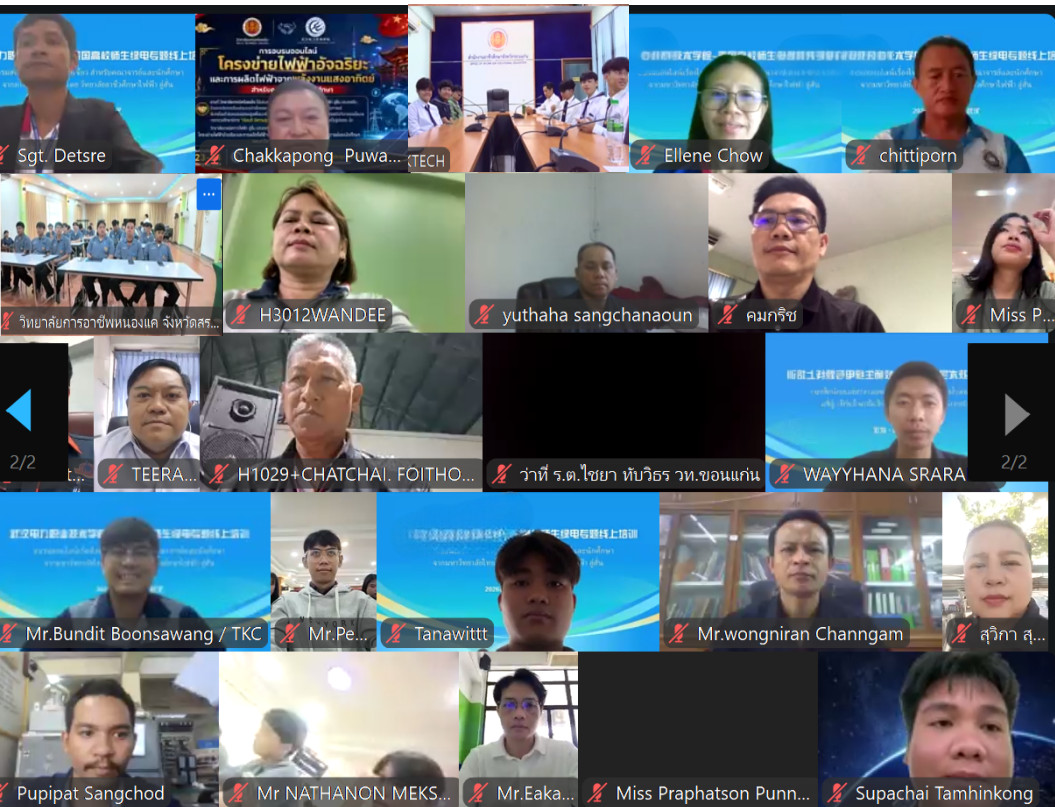
The training was conducted entirely online, fostering a vibrant learning atmosphere. Thai participants actively engaged in discussions in the interactive area, exploring topics such as power grid digital transformation, localization of photovoltaic equipment, and development of power training courses. Instructors provided real-time online Q&A sessions and shared supplementary course materials, industry case studies, and practical training resources. To extend the training’s impact, the organizers established a dedicated online community, maintaining long-term access to resources after the training. This facilitated ongoing exchange of technical challenges and refinement of professional course plans between Chinese and Thai participants, creating a sustainable learning mechanism that combines short-term intensive instruction with long-term community-based learning.
Upon completion of all courses, all trainees will participate in a comprehensive assessment, which consists of three main sections: new energy theoretical knowledge, practical technical key points, and the application of learning outcomes in teaching. This comprehensive assessment evaluates the effectiveness of the training. Trainees who pass the assessment will receive an official training certification jointly issued by the Chinese and Thai partner institutions. This certificate is officially recognized by both countries for vocational education exchanges and can serve as a valid qualification for Thai teachers and students to enhance their skills and advance their studies.
This project represents an innovative practice of industry-education integration between China and Thailand in the energy sector. It focuses on the distinctive area of new energy power, exporting standardized and systematic vocational education programs for the power industry to Thailand, and opening up new paths for cultivating local new energy technology talents.
Going forward, both parties will continue to explore cooperation opportunities in energy vocational education, and carry out diverse exchange activities such as online thematic training, joint curriculum development, and online teacher seminars. They will continuously enrich the forms of transnational vocational education cooperation, create a two-way, mutually beneficial international education exchange platform, and continuously empower the coordinated development of the new energy industries and the joint cultivation of professional and technical personnel in both countries.